
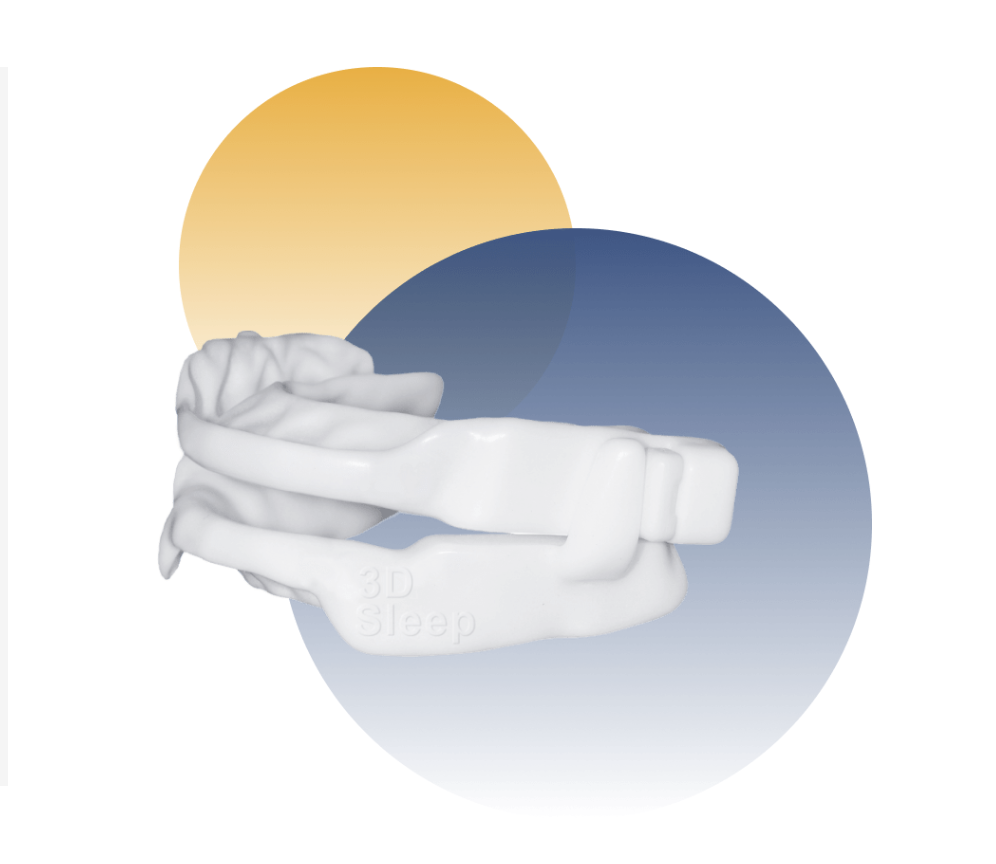
Snoring and Sleep Apnoea Appliance
Treating Snoring
The Most Effective Treatment For Snoring
Oral appliances are now universally regarded by sleep physicians, ENT’s and other experts in the field as the best available treatment for snoring and one of the only two frontline treatments for sleep apnoea.
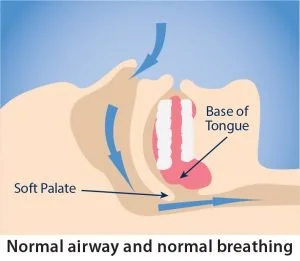
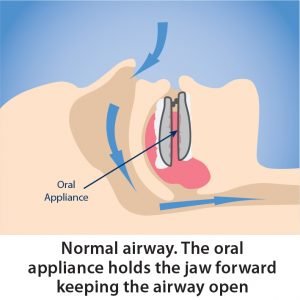
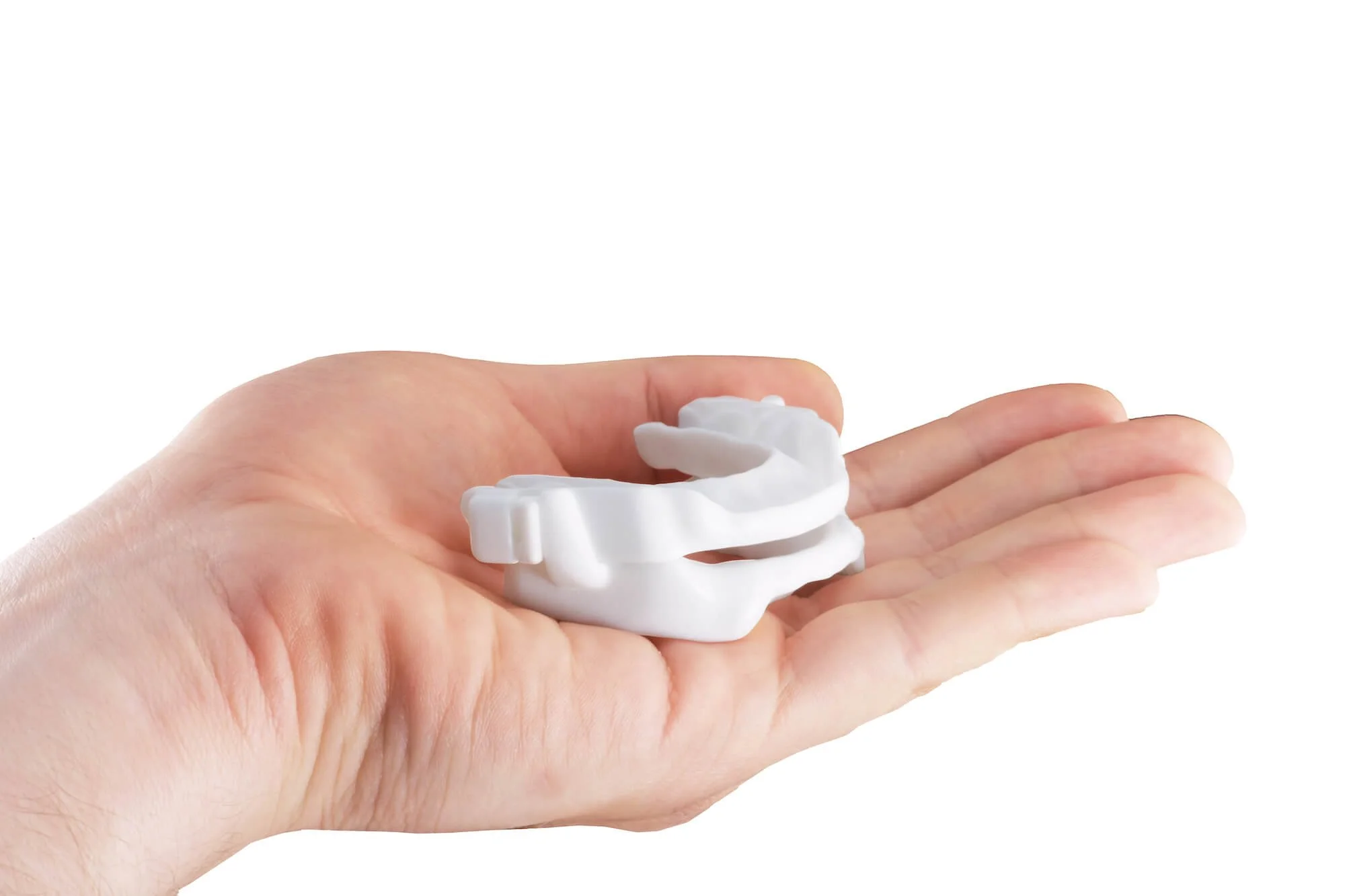
Oral appliances are worn during sleep and work by holding the jaw slightly forward so the tongue and tissues at the back of the throat don’t collapse and obstruct the airway during sleep and are no longer collapsing into the passage of airflow.
A study at SleepWise Clinic*, involving 116 consecutive patients who have completed treatment, demonstrated that 111 were satisfied with the improvement in their snoring following the use of a customised, adjustable oral appliance. The majority of these patients had adapted well to their appliance and were feeling more refreshed on waking and less sleepy during the day.
According to the Australian Dental Association, and based on extensive research, “95% of people will have an improvement in the level of their snoring when using an oral appliance.”
The Problem with Snoring?
Snoring can have a huge impact on relationships, with many couples sleeping in separate bedrooms. Many people also go to the expense of booking separate rooms when travelling.
Snoring is a sign of airway obstruction and can be associated with a medical condition called sleep apnoea, which could also be affecting your health, leading to hypertension, heart disease and diabetes. Reducing or removing snoring will not only decrease your risk of serious medical conditions such as heart disease and stroke, it can also improve your relationships and the sleep of those close to you.
Treating Sleep Apnoea
What is obstructive sleep apnoea (OSA)
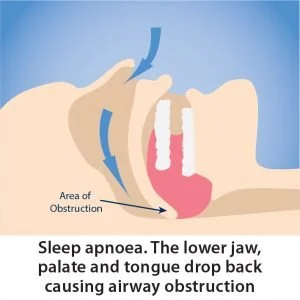
Around 70% of people who regularly snore also have obstructive sleep apnoea (OSA), in which the soft tissues in the throat, including the tongue, collapse against the back of the throat. This blocks the upper airway, and airflow stops or is reduced.
When the blood oxygen level becomes low enough, the brain sends a signal known as an arousal, and the sleeper partially awakens, the obstruction in the throat clears, and the flow of air starts again, usually with a gasp. This sequence of events can occur throughout the night, totally disrupting sleep quality, with most people unaware this is occurring.
This serious medical condition is associated with long-term health problems, including hypertension, heart disease, stroke, and diabetes. When successfully treated, patients commonly report significant improvements in sleep, energy, quality of life, and close relationships.
Oral Appliance Treatment For Sleep Apnoea
Custom-fitted oral appliances are now generally regarded by experts in the field as the most comfortable option for treating sleep apnoea. The American Academy of Sleep Medicine (AASM), the world peak body, has recently designated only two frontline treatments for OSA- the CPAP machine and Oral Appliances. Based on a large body of research, the AASM recommend that all sleep physicians offer patients the choice of Oral Appliances or the CPAP machine.
New generation 3D printed Nylon appliances are extremely thin and comfortable with various unique designs offering features such as being able to speak, sip water and freely move the jaw during use.
Oral appliances work by comfortably holding the jaw slightly forward, preventing the tongue and tissues at the back of the throat from collapsing into the airways. Learn more about the different types of oral appliances. CPAP has a different mode of action and works by delivering pressurised air to keep the airways open.
The Importance Of A Sleep Study
The only way to be certain you have sleep apnoea is to do a diagnostic sleep study. One of the main purposes of the sleep study is not just to detect the presence of sleep apnoea but to determine the severity. The degree of severity of the sleep apnoea will help determine which is the best available treatment. Sleep apnoea is classified as mild, moderate or severe, depending on the number of disturbances to breathing per hour of sleep.
Traditionally sleep studies were done during an overnight stay in a hospital. With the advances in technology, a sleep study can now be done in the comfort of your own home. When done at home in your familiar environment, a sleep study can be more representative of your usual sleep.